Understanding the Different CDL Classes
Class A, B, and C explained
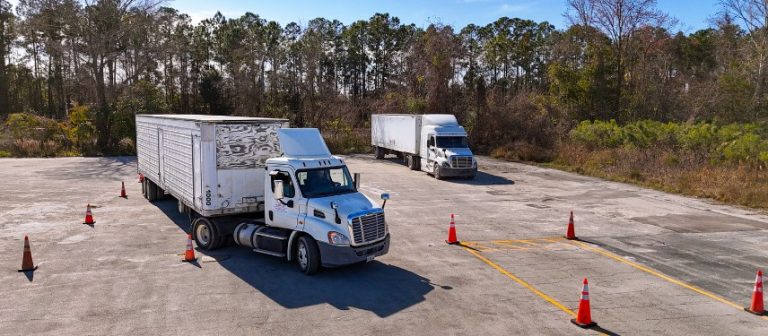
Semi-trucks are a common sight on the highway. To drive one legally, you need a Commercial Driver’s License (CDL). A CDL isn’t a suggestion. It’s a federal requirement that exists because large vehicles carry real risks. The Federal Motor Carrier Safety Administration (FMCSA) sets the standard. Driving a Commercial Motor Vehicle (CMV) “requires a higher level of knowledge, experience, skills, and physical abilities” than driving a regular car.
Key Takeaways
CDL classes break down by vehicle weight and purpose. Here’s what matters most when you’re deciding which one fits your goals.
- Class A covers the biggest rigs. You need it when the combined vehicle weight tops 26,001 pounds, and the trailer exceeds 10,000 pounds. It opens the most career paths and offers the highest earning potential.
- Class B keeps you local. It covers single vehicles over 26,001 pounds (buses, dump trucks, cement mixers). Most Class B jobs mean you’re home every night.
- Class C is defined by cargo, not weight. It applies to vehicles carrying 16 to 23 passengers or placarded hazardous materials, regardless of vehicle size.
- Starting with Class A gives you the most flexibility. Class A holders can also operate most Class B and Class C vehicles, which is why many career changers begin there.
- Age rules matter. You must be 18 or older for in-state commercial driving and 21 or older for interstate routes or a hazmat endorsement.
- Getting a CDL requires three steps. Pass the written knowledge exams for your Commercial Learner’s Permit, complete ELDT-approved training, then pass the three-part skills test.
The class you choose today shapes your schedule, your pay, and the jobs available to you. If you’re unsure where to start, Class A training covers the widest range of vehicles and connects you with the most carrier partners after graduation.
Key terms to know: GVWR, GCWR, endorsements, and CMV
Before comparing CDL classes, a few terms matter:
- GVWR (Gross Vehicle Weight Rating): the maximum weight a single vehicle can carry safely
- GCWR (Gross Combined Weight Rating): the total weight of a truck plus its trailer
- CMV (Commercial Motor Vehicle): any vehicle with a GVWR of 10,001 pounds or more, or one designed to carry 16+ passengers or hazardous materials [2]
- Endorsements: additional certifications that let you haul specific cargo like hazmat or passengers [1]
How CDL classes are split by vehicle weight and type
CDL classes break down by vehicle weight and purpose. Class A covers the heaviest combination vehicles. Class B covers large single vehicles. Class C is based on what the vehicle carries, not how much it weighs. The class you hold determines what you can drive, what you can earn, and where your career can go.
Class A CDL: Weight Requirements, Vehicles, and Career Paths
Weight is the dividing line between CDL classes. Class A sits at the top. If you want to operate the biggest rigs on the road, this is the license you need.
Weight threshold and what counts as a Class A vehicle
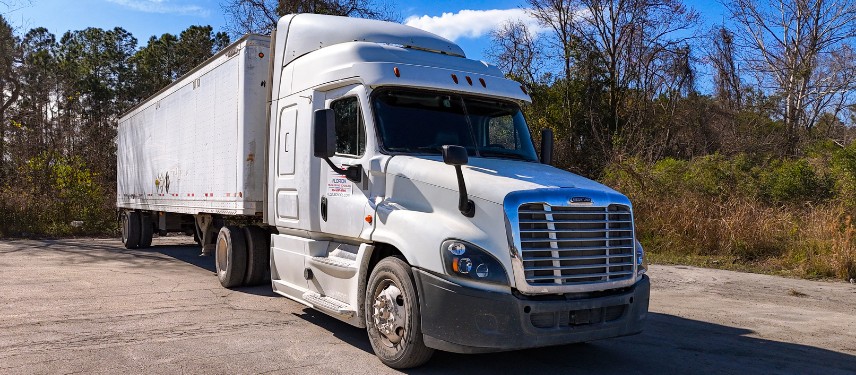
A Class A CDL is required when the GCWR is 26,001 pounds or more and the towed vehicle has a GVWR over 10,000 pounds [3]. This covers tractor-trailers, flatbeds, tankers, and livestock carriers.
Endorsements available with a Class A CDL
Class A drivers can add endorsements such as Doubles/Triples (T), Tanker vehicles(N), Hazardous Materials (H or HazMat), and Tanker plus HazMat (X). Hazmat endorsements require a TSA background check and fingerprinting. You must be at least 21. CDL School Inc. offers endorsement training for airbrakes, doubles/triples, and hazardous materials. These are among the endorsements employers request most often.
What Class A training looks like in practice
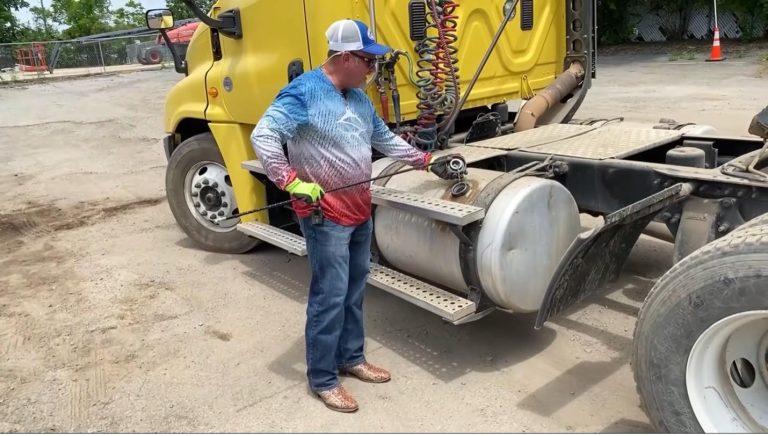
Class A training programs vary by campus and schedule, and it’s important to find a school that’s right for you. According to the FMCSA, each new CDL driver needs to go through Entry-Level Driver Training (ELDT). This is a federal mandate. ELDT-compliant training blends classroom training, behind-the-wheel instruction, and on-the-road experience. This allows someone looking to get their Class A CDL to be prepared for not only the exam but what their career is really going to be like.
Earning potential and lifestyle for Class A drivers
Class A drivers have the widest range of career options: long-haul, regional, dedicated, and local routes. Class A CDL drivers also have the highest earning potential. According to Roehl Transport, their drivers with at least one year on the job average $1,400 per week (close to $73,000 a year). The top 50% average over $82,000 per year.
Class A opens the most doors of any CDL. Not every driving job needs that level of licensing, though.
Class B CDL: Weight Requirements, Vehicles, and Career Paths
Class B covers vehicles that don’t involve towing heavy trailers. Some of the most in-demand driving jobs fall in this category.
Weight threshold and vehicles covered
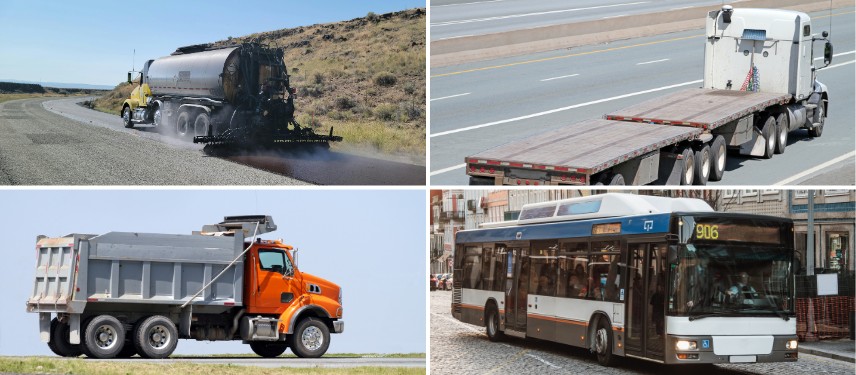
A Class B CDL is required for any single vehicle with a GVWR of 26,001 pounds or more. The towed trailer cannot exceed 10,000 pounds GVWR. Common Class B vehicles include:
- Straight trucks
- City buses
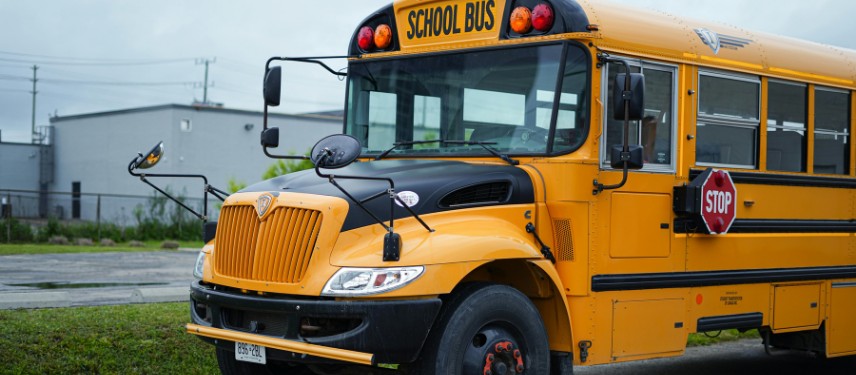
- School buses
- Dump trucks
- Garbage trucks
- Cement mixers.
Endorsements, training, and earning potential
Class B endorsements focus on Passenger (P), School Bus (S), Tanker (N), and HazMat (H). Training programs are usually shorter than Class A.
Most Class B positions are local routes. You’re home at the end of each shift. This makes Class B a strong fit if you want stability and predictable hours. Class B holders can also operate Class C vehicles, though not Class A vehicles.
Class B works well if you want steady local work and consistent home time. A third class exists, though, built around a different purpose.
Class C CDL: Requirements, Vehicles, and Career Paths
Class C is different from A and B in one important way. It isn’t defined by how heavy the vehicle is. It’s defined by what the vehicle carries.
How Class C differs from weight-based classifications
A Class C CDL covers any vehicle not classified as Class A or B. The vehicle must be designed to transport 16 to 23 passengers (including the driver) or used to transport placarded hazardous materials. Endorsements available include Passenger and HazMat.
Earning potential and lifestyle
Class C roles tend to be local. They include shuttle drivers, small passenger vehicles, and certain hazmat transport positions. These jobs offer consistent schedules, although the earning range is narrower than Class A roles.
Each class serves a different kind of driver with different goals. The real question is which one fits where you want to go.
How to Choose the Right CDL Class for your Goals
Choosing a CDL class shapes your daily schedule, earning potential, and available jobs. All three classes lead to real careers. The right choice depends on your circumstances.
Age requirements
You must be at least 18 for intrastate commercial driving and 21 for interstate routes or a hazmat endorsement. CDL School Inc.’s enrollment requirements reflect this. You need a:
- Valid driver’s license
- High school diploma or GED
- Passed DOT physical
- Clean drug screening.
Why most career changers start with Class A
From CDL School Inc.’s experience training students across Nashville and Jacksonville campuses, most career changers benefit from starting with Class A. Class A drivers can operate most Class B and Class C vehicles as well. This is why CDL School Inc. chose to focus on Class A training. Graduates connect with recruiters from more than 50 carrier partners, including Werner, Schneider, Covenant Transport, TMC, and Eagle Transport.
Proper training makes a measurable difference. Companies that invest in structured CDL programs see lower turnover and better-prepared drivers. That benefits you as a new graduate entering the workforce.
What about a Class D license
A Class D license is a standard, non-commercial driver’s license. It does not authorize driving CMVs.
Ready to Take the First Step Toward your CDL?
The class you choose today doesn’t have to be the last stop. Many drivers start with one class and upgrade later as their goals change. If you’re ready learn more about the steps to getting your CDL, CDL School Inc.’s admissions team can walk you through requirements and program options on the application page.
FAQs
Do I need a CDL B if I have a CDL A?
No. A Class A CDL lets you operate most Class B and Class C vehicles too.
Can CDL B drive CDL C?
Yes. Class B holders can also operate Class C vehicles. However, Class B does not allow you to drive Class A vehicles.
Is a CDL class C the same as a regular license?
No. A Class C CDL is a commercial license for vehicles designed to carry 16 to 23 passengers or transport placarded hazardous materials. A regular license is often called Class D. It does not allow you to drive commercial motor vehicles.
Is it better to get a Class A or B CDL?
It depends on your goals. Class A opens the most career paths, including long-haul, regional, dedicated, and local routes. Class B focuses on local positions with consistent home time. Class A also lets you operate most Class B vehicles, so it offers more flexibility overall.
Is a CDL hard to get?
The process has clear steps: pass three written knowledge exams for a Commercial Learner’s Permit, complete ELDT-approved training, then pass a three-part skills test.
References
[1] https://www.fmcsa.dot.gov/cdl
[2] https://www.fmcsa.dot.gov/faq/what-difference-between-commercial-motor-vehicle-cmv-and-non-cmv