The Best Place to Get CDL Training
How to Choose the Right Truck Driving School
Choosing the right CDL school can make or break your trucking career. With thousands of non-compliant training providers recently removed from the federal registry by the U.S. Department of Transportation (DOT), finding quality training matters more than ever.
Not all CDL programs offer the same quality, compliance, or career preparation. Some schools take shortcuts that leave you unprepared for the realities of professional driving. Others provide the solid foundation you need to succeed.
You need to know what separates quality training from programs that waste your time and money. The right school will prepare you for both the CDL exam and actual employment – because passing the test is just the beginning.
Here’s what you need to focus on when evaluating schools:
- First, verify federal compliance. Only train with FMCSA-registered providers on the official TPR registry. If they’re not listed, you can’t legally test for your CDL.
- Next, look at behind-the-wheel time. Quality programs provide 160+ hours of practical driving experience. Most carriers won’t hire with less training, so this isn’t optional.
- Class sizes matter too. Look for small class sizes during road training and range practice. You need personalized instruction, not to get lost in a crowd.
- Ask about job placement rates. Quality schools maintain 85-98% placement success and provide ongoing career support beyond graduation.
- Finally, avoid programs promising completion in under 3 weeks or offering minimal driving hours.
Ready to make an informed decision? Let’s walk through what makes a quality CDL program and how to spot the schools to avoid.
What Makes a Quality CDL Training Program?
Three things separate schools that prepare you for a trucking career from those that just help you pass a test: they follow federal rules, they balance classroom learning with real driving practice, and they keep class sizes small enough for you to get personal attention.
Federal Rules You Can’t Skip
Entry-Level Driver Training (ELDT) rules apply to anyone getting their first Class A or Class B CDL, upgrading a license, or adding endorsements for school buses, passengers, or hazardous materials. You can’t take your CDL skills test unless you train with a school registered with the Federal Motor Carrier Safety Administration (FMCSA).
The Training Provider Registry (TPR) tracks which schools follow the rules. If your school isn’t on this list, you can’t test for your CDL. Schools have to certify they meet federal standards in five areas:
- What they teach
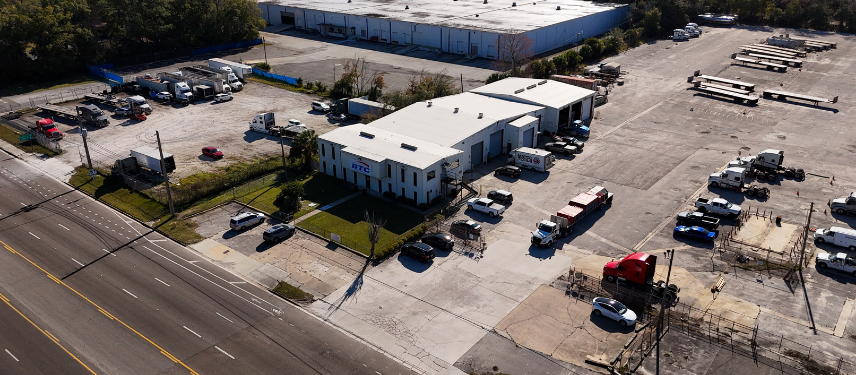
- Their facilities
- Instructor qualifications
- State laws
- Training vehicles
These rules started in February 2022, and only affect people getting credentials after that date. Before you choose a school, check if it’s listed on the official registry.
Classroom Learning Plus Real Driving Practice
Classroom training covers:
- Safety regulations
- Hours of Service rules
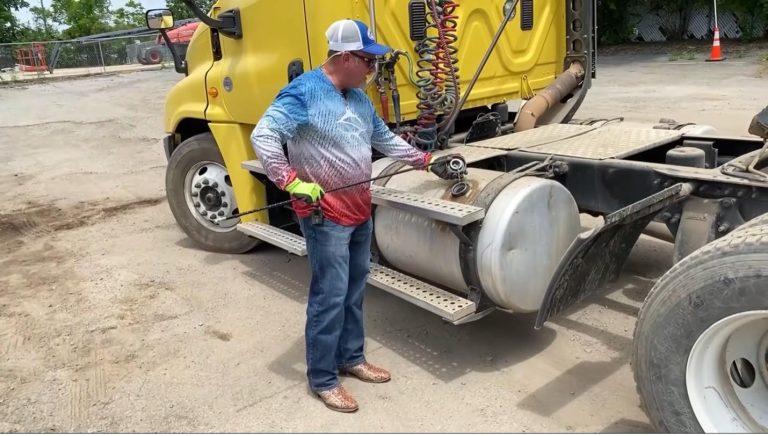
- Vehicle inspections
- How trucks work
- Defensive driving
- Cargo handling
- Spotting hazards
You need to score at least 80 percent on classroom tests before you can start driving.
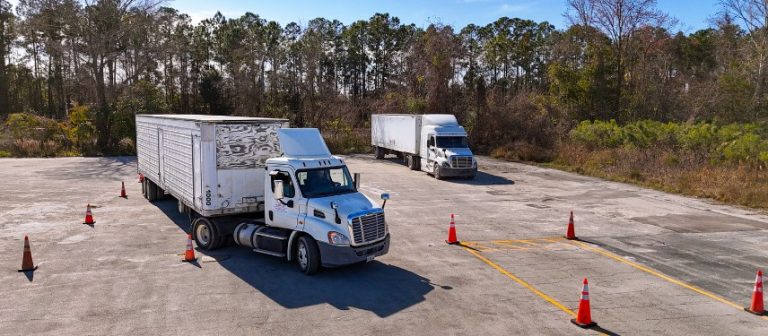
Behind-the-wheel training happens in two places: the practice yard and public roads. At the yard, you’ll learn pre-trip inspections, backing into docks, and parallel parking. On public roads, you’ll practice shifting, signaling, managing space around your truck, and handling challenging conditions.
ELDT rules focus on what you can actually do, not just hours in a seat. You have to show you’re competent in every skill area. Both classroom and driving portions are required under federal law.
Instructors Who Know What They’re Teaching
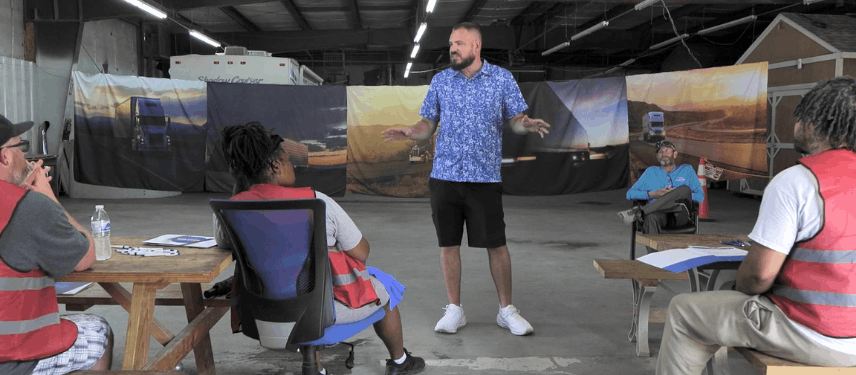
Your instructor’s experience matters. Federal rules require behind-the-wheel instructors to hold the same CDL class they’re teaching, plus either two years of commercial driving experience or two years teaching experience.
How many students work with each instructor affects how much help you get. Quality CDL schools keep class sizes small during practical training. Smaller groups mean instructors can adjust lessons for how you learn, spend extra time on moves you find difficult, and give you feedback that’s specific to your training.
Good class sizes let instructors work with students who learn at different speeds without rushing anyone or holding others back. When you’re looking at schools, ask about class sizes during driving practice, not just how many students they enroll overall.
Your CDL Training Options
You have three main paths to get your CDL training. Each works differently for cost, timing, and what happens after you graduate.
Private CDL Schools
Private CDL schools operate independently from trucking companies and colleges. Most programs take 4 to 6 weeks to complete.
These schools focus on getting you ready for your CDL test, with quality programs working to help students pass on their first try. Once you graduate, you can apply to any trucking company – you’re not locked into working for just one employer. Many private schools train on both manual and automatic transmissions, so you won’t have an automatic-only restriction on your license.
Community College CDL Programs
Programs at a community college run 8 to 12 weeks, giving you thorough instruction with extra coursework in safety and transportation basics. You’ll often find morning, evening, or weekend classes to work around your current job and family schedule.
The trade-off is time. You’ll enter the workforce slower compared to faster private programs. Community colleges follow semester schedules, which might mean waiting weeks or months for the next class to start.
Company-Sponsored CDL Training
Trucking companies like Prime, Schneider, and Wilson Logistics pay for your CDL training if you agree to work for them. Some programs include small upfront costs, while others may pay you during training. However, paid CDL training is a contract with a carrier. It’s important to know what you’re signing up for.
You get guaranteed employment once you pass your CDL exam. Training typically lasts 2 to 4 weeks. If you leave before completing your contract, you may have to pay back training costs – sometimes thousands of dollars.
This option works well if you’re comfortable committing to one company and want to start earning quickly. Just make sure you research the company thoroughly since you’ll be working there for months.
Questions to Ask When Choosing a CDL School
You’ve learned about different program types. Now you need to know what questions will help you pick the right school for your situation.
How much behind-the-wheel time will I get?
Most carriers won’t hire drivers without at minimum of the 160 hours of documented training. Quality programs provide the appropriate amount of training, or more specifically, enough time for road and range practice. Ask schools to break down exactly how much time you’ll spend in the classroom versus behind-the-wheel time. If a program offers significantly less driving practice, you might struggle to find employment after graduation.

What’s your instructor-to-student ratio during driving practice?
Smaller ratios mean more personal attention when you’re learning to handle a truck. Industry standards recommend smaller class sizes for road training and range or pre-trip training. Some schools offer one-to-one road training sessions. Ask specifically about ratios during actual driving time, not overall class enrollment numbers.
What’s your job placement rate?
Quality CDL programs maintain job placement rates between 85% and 98%. Ask for actual placement statistics and whether those numbers include graduates who found jobs on their own. High placement rates usually mean the school has strong relationships with hiring companies.
What equipment will I train on?
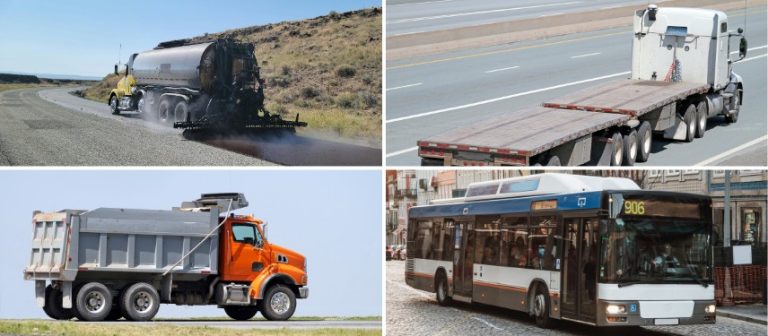
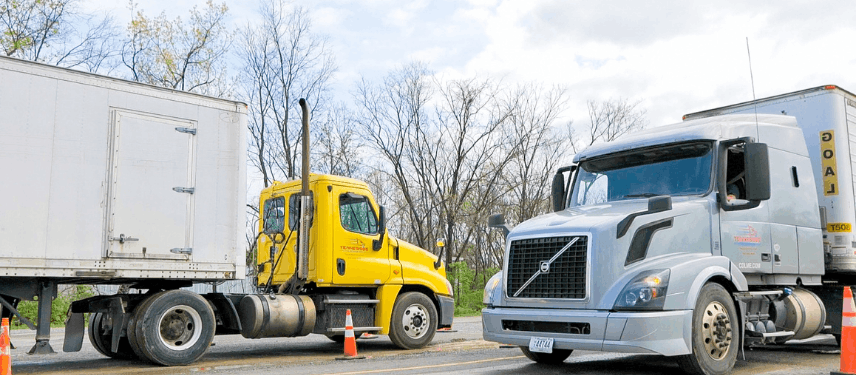
Training on outdated or limited equipment can leave you unprepared. Ask about transmission types – both manual and automatic – trailer configurations, and how old the trucks are. Some programs let you practice with flatbeds, tankers, and specialized equipment beyond standard dry vans.
Do you provide career support after I graduate?
The best schools don’t just help you get your CDL – they help you build a career. Quality programs offer:
- Resume development
- Interview preparation
- Help evaluating different carriers
- Continued job placement assistance after graduation.
Ask whether their support ends at graduation or continues throughout your career.
When choosing a CDL school, these questions help you separate programs that prepare you for success from those that just get you a license.
Programs to Avoid: Red Flags When Choosing CDL Training
Some schools make promises they can’t keep or cut corners that leave you unprepared for actual truck driving work. Here’s what to watch out for when evaluating CDL training.
Programs That Promise Unrealistic Timelines
Be cautious of schools advertising extremely short completion times. Some programs claim you can finish CDL training in just two weeks by packing 160 hours into that period, leaving students overwhelmed. Others offer three-day crash courses with no classroom instruction, providing only bare minimum skills to pass the test.
While you can technically get a CDL quickly, most carriers won’t hire graduates without 160-180 hours of documented training due to insurance requirements. Programs advertising just 48 hours spread over six weeks fall well short of what employers actually expect.
The reality is simple: if a program seems too fast to be thorough, it probably is.
Schools With Limited Behind-the-Wheel Practice
Insufficient driving time shows up in different ways. Some schools have truck availability problems, frequent equipment breakdowns, or overcrowded practice yards that reduce your actual driving hours. Others can’t demonstrate adequate student-to-truck ratios during practical sessions.
Ask direct questions about how much time you’ll actually spend behind the wheel. If a school can’t give you clear answers about driving practice schedules or keeps changing the subject, that’s a warning sign.]
No Job Support or Employer Connections
Schools that restrict your employment options should raise concerns. Some programs require you to work exclusively for their affiliated company, limiting your career choices. If a program prohibits working for other carriers after graduation, reconsider your choice.
Quality schools maintain verifiable job placement records and strong relationships with multiple employers. Programs lacking licensed examiners, modern equipment, or documented placement success often fail to prepare graduates for actual employment.
Look for schools that connect you with hiring companies rather than locking you into just one option.
Conclusion
You now have the essential criteria for selecting the best place to get CDL training. Verify federal registration, compare program types against your budget and timeline, and ask the right questions about driving hours and instructor ratios.
Overall, quality training sets the foundation for your entire trucking career. Don’t rush the decision or settle for shortcuts. Choose a compliant school with strong job placement rates, and you’ll enter the industry prepared and confident.
FAQs
How much does CDL training typically cost?
CDL training costs vary depending on the type of program you choose. Private truck driving schools generally charge between $3,000 and $10,000, while community college programs are more affordable at $1,000 to $5,000. Carrier-sponsored training programs have minimal upfront costs, with some requiring as little as $155, though they typically require a 6 to 12-month employment commitment in exchange for covering training expenses.
How long does it take to complete a CDL training program?
Training duration varies by CDL class (A, B or C) and type of school. Private truck driving schools typically take 4 to 6 weeks to complete, while community college programs last 10 to 20 weeks and provide more comprehensive instruction. Carrier-sponsored training programs are usually the fastest at 2 to 4 weeks. Be cautious of programs promising completion in extremely compressed timeframes, as they may not provide adequate preparation for actual employment.
What job placement rates should I expect from a quality CDL school?
Quality CDL programs maintain job placement rates between 85% and 98%. High placement rates indicate strong industry connections and effective training. When researching schools, ask for verifiable placement statistics and clarify whether these rates include graduates who found jobs independently. Additionally, inquire about ongoing career support services beyond initial placement, such as resume development and continued job placement assistance.