Class A CDL Career Guide: From Rookie to High-Paid Professional Driver
A Class A CDL gives you access to the most commercial driving opportunities in the trucking industry. With this license, you can operate vehicles weighing 26,001 pounds or more and tow vehicles over 10,000 pounds. That means you’re qualified for everything from local delivery routes to cross-country hauls.
This license also offers real earning potential. Sign-on bonuses alone can add $10,000 or more to your first-year income. Jobs requiring more hands-on work or longer miles typically pay even better.
So let’s cover what you need to know about Class A CDL careers – from entry-level positions where new drivers start to specialized, high-paying opportunities for experienced drivers. Whether you’re considering truck driving for the first time or looking to advance in your current driving career, you’ll find practical information to help you understand the path from new driver to well-paid professional.
Types of Class A CDL Jobs You Can Start With
Once you have your new Class A CDL, several entry-level paths are open to you. Most new drivers start with one of these common positions:
Dry Van Driving
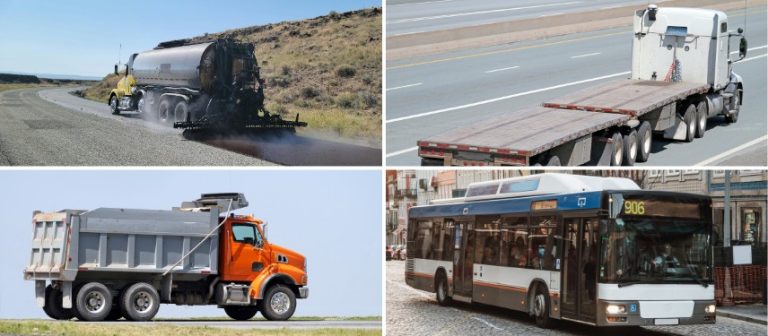
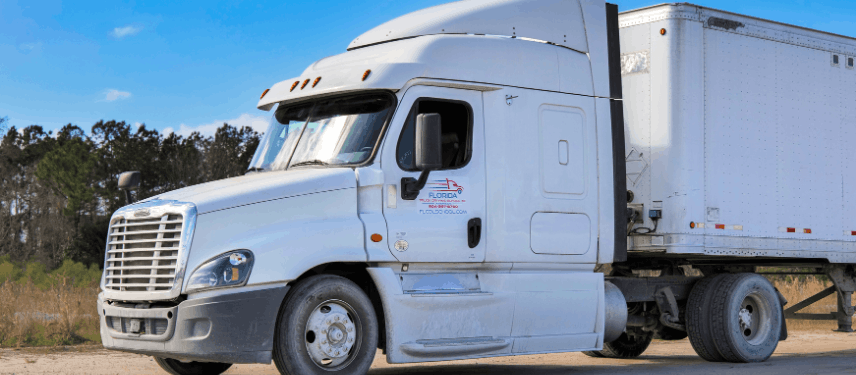
Dry van positions involve transporting goods in enclosed 53-foot trailers that protect cargo from weather and theft. This is the most common type of trucking work because there’s consistent demand for moving goods across the country.
Dedicated Routes
Dedicated drivers work for a single customer, usually within specific regions. You’ll get familiar routes, predictable schedules, and steady paychecks. These positions exist across different types of freight:
- Refrigerated
- Dry van
- Flatbed
- Port services
Tanker Driving
Looking for more hands-on work? Tanker drivers transport liquids and dry bulk materials like:
- Water
- Milk
- Sand
- Grain
This type of hauling uses using specialized trailers. You’ll need additional training since you’ll manually load and unload using pumps and hoses. This work requires more physical involvement but often pays better.
Flatbed Driving
Flatbed drivers haul uniquely shaped or oversized freight using flatbed or Conestoga trailers. You’ll need to master load securement, learning to properly use straps, chains, edge protectors, and tarps. It’s more physical work than dry van driving, but the pay reflects that extra effort.
Specialized and High-Paying CDL A Career Paths
Once you have experience under your belt, specialized driving positions can significantly boost your income.
Team Driving
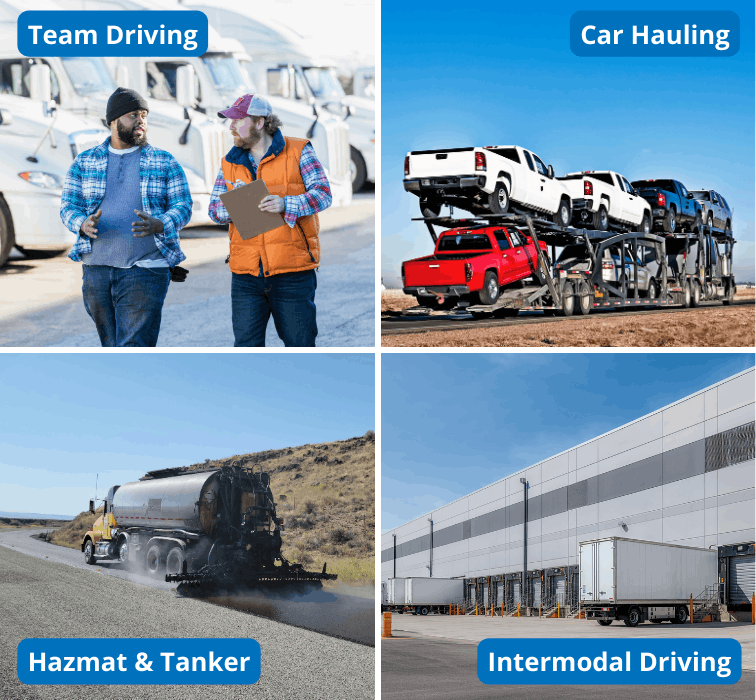
Team driving lets two drivers share one truck to keep it moving around the clock. Industry leaders like XPO and Knight Transportation pay team drivers more than the average driver, often with the benefit of a set schedule.
Car Hauling
Car hauling involves transporting vehicles on specialized trailers, which requires precise loading and unloading skills. You’ll need at least two years of over-the-road experience plus specific training for this specialty. The earnings make it worthwhile—car haulers earn $70,000+ annually.
Hazmat and Tanker
Hazmat transport requires additional certification, but the pay reflects the responsibility. Hazmat drivers earn approximately $100,000 yearly, putting them among the highest-paid CDL holders. Tanker drivers who transport liquids earn around $88,824 annually.
Intermodal Driving
Intermodal drivers move freight between rail yards, ports, and distribution centers. This work offers more predictable schedules than long-haul driving, which appeals to drivers who want better work-life balance without giving up good pay.
These specialized paths require additional endorsements or certifications. Hazmat endorsement, for example, requires TSA clearance, fingerprinting, and specialized training. Most specialized positions also require clean driving records because of the increased responsibility involved.
What Impacts Your Earning Potential as a CDL A Driver
Your income with a Class A CDL depends on more than just the type of job you choose. How you get paid makes a big difference—some drivers earn through cents-per-mile (CPM), while others receive percentage pay based on what customers are billed.
Experience matters a lot. Seasoned drivers typically earn more than industry average. Where you work affects your paycheck too—coastal states and major metropolitan areas usually offer higher pay.
The freight you haul can significantly change your earnings. Specialized cargo like hazardous materials, refrigerated goods, or oversized loads pays premium rates.
Many drivers also earn additional compensation for services performed outside of the standard transport. This includes:
- Detention pay for delays at shippers
- Layover pay for extended waits between loads
- Border crossing pay for international crossings
- Tarping pay for securing flatbed loads
- Stop pay for multiple delivery locations
- Hazmat pay for transporting dangerous materials
You can also earn various bonuses, including sign-on bonuses ranging from $2,000 to $10,000, safety bonuses, fuel efficiency incentives, and referral programs.
Your Path Forward with a Class A CDL
A Class A CDL gives you access to a solid career with real growth potential. You’ve seen how this license qualifies you for everything from entry-level dry van work to specialized positions like hazmat transport and car hauling.
Most new drivers start with dry van or dedicated routes to build their skills. These positions teach you the basics while you earn steady income. Once you have experience under your belt, specialized roles open up with significantly higher pay.
Your earning potential depends on several factors. Experience matters – seasoned drivers earn much more than newcomers. Location affects your pay too, with coastal areas and major cities typically offering better compensation. The type of freight you haul makes a difference, and specialized cargo usually pays premium rates.
Additional endorsements and certifications unlock higher-paying positions. A clean driving record keeps you valuable to employers. Understanding accessorial pay and bonus structures helps you maximize what you earn.
Your Class A CDL opens doors to stable work in an industry that needs qualified drivers. You can choose regional routes that get you home regularly or long-haul positions that take you across the country. The trucking industry offers flexibility to match different lifestyle preferences.
The first step is getting your CDL training. Where your career goes from there depends on your goals and how much you’re willing to learn. The opportunities are there – it’s up to you to take advantage of them.
FAQs
What is a Class A CDL?
A Class A CDL allows you to operate vehicles with a Gross Vehicle Weight Rating of 26,001 pounds or more, towing vehicles over 10,000 pounds.
What are some entry-level positions for new Class A CDL Drivers?
New Class A CDL holders often start with dry van driving, dedicated routes, tanker driving, or flatbed driving.
How can I earn more money as a CDL A driver?
You can increase your earning potential by:
- Gaining experience
- Obtaining additional endorsements (like hazmat)
- Considering specialized roles (such as car hauling or team driving)
- Understanding various pay structures (base pay, accessorial pay, and performance bonuses)
How does location affect a CDL A driver’s earnings?
Geographic location can significantly impact a CDL A driver’s earnings. Coastal states and major metropolitan areas typically offer 10-50% higher compensation compared to other regions. Additionally, certain routes or regional positions may offer better pay or more consistent work.
What are some high-paying specialized roles for experienced CDL A drivers?
Experienced CDL A drivers can pursue high-paying roles such as:
- Team driving
- Car hauling
- Hazardous materials transport
- Tanker driving
These specialized positions often require additional training or endorsements, but can significantly boost income.